Chat with us, powered by LiveChat

Curriculum – Little Nestlings Early Learning Center

Our Approach to Early Learning

Thank you for taking time to learn about the curriculum at Little Nestlings Early Learning Center in West Linn, Oregon. Our approach is not a rigid set of worksheets or repetitive drills. Instead, what we teach emerges from the children themselves – their questions, their theories, their interests, and their natural ways of making sense of the world.

The Reggio Emilia Foundation

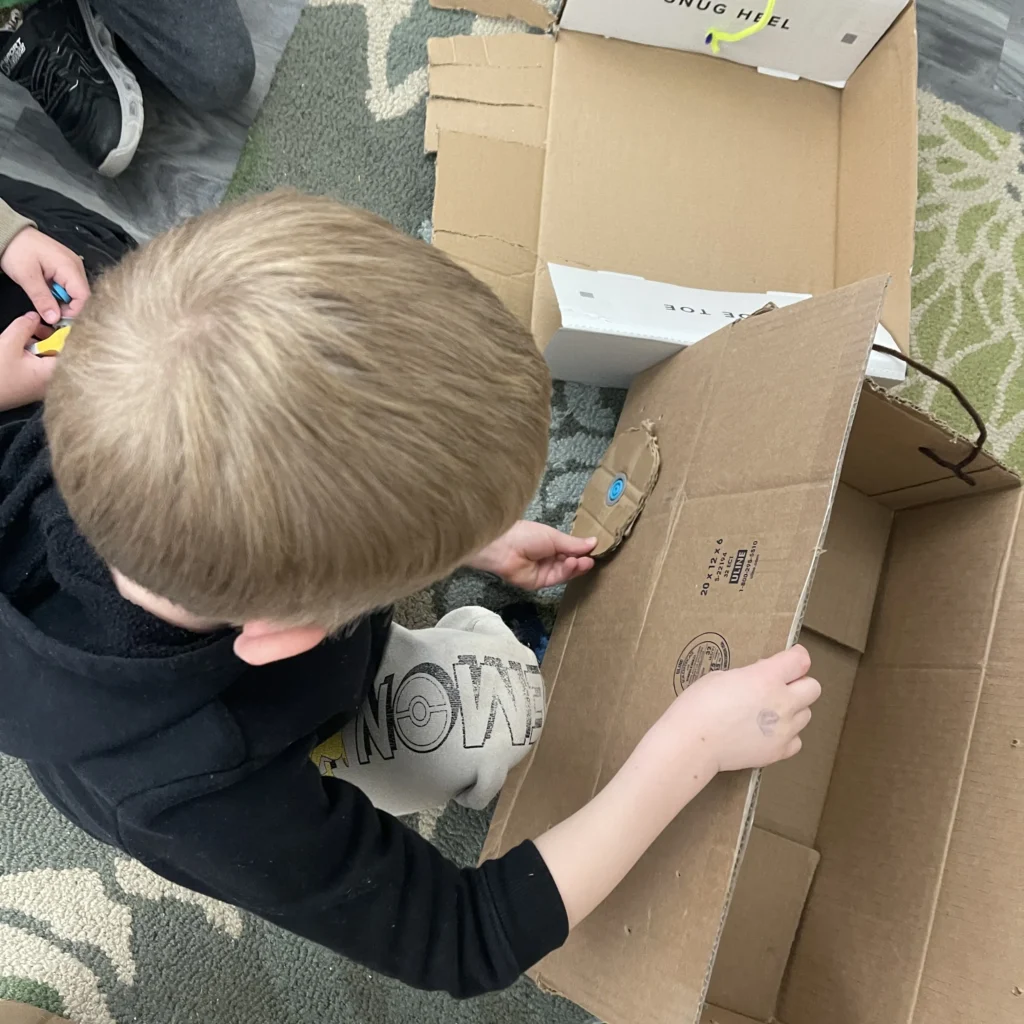
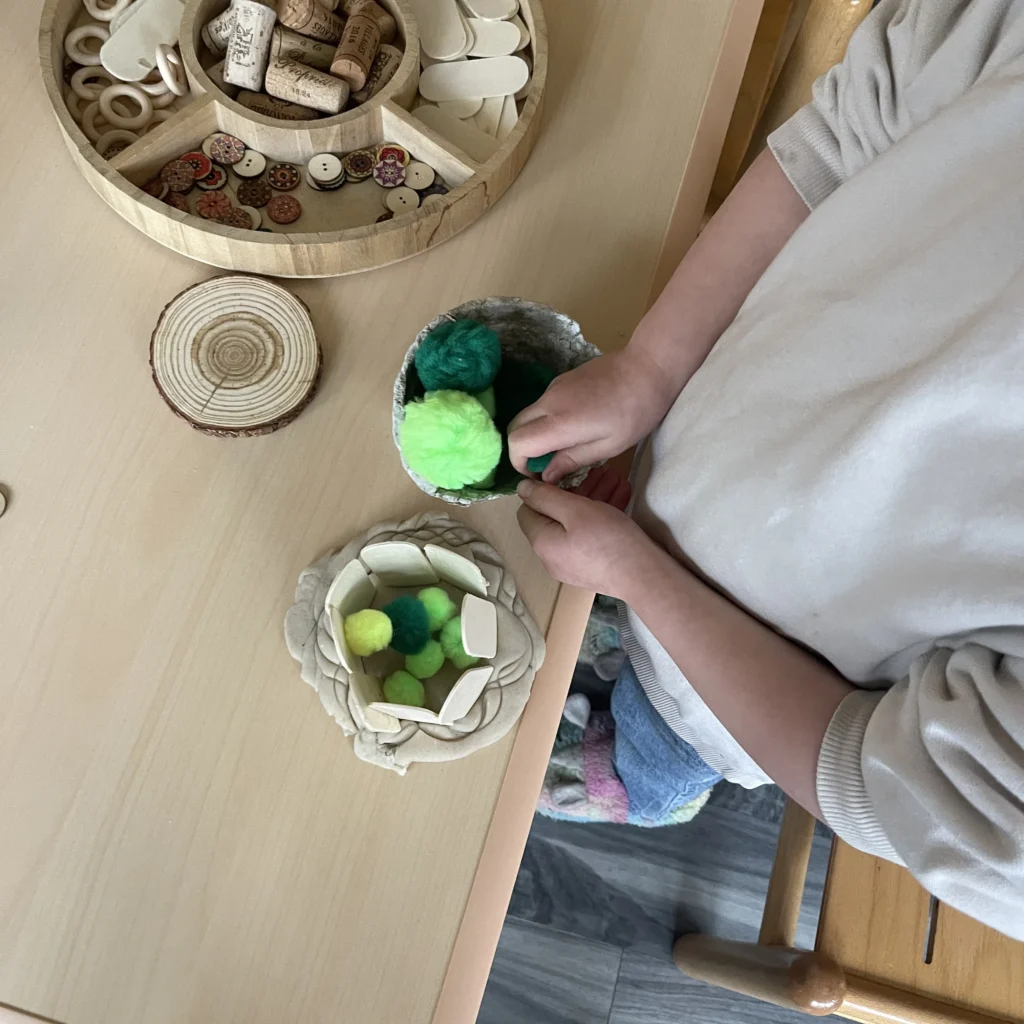
This philosophy, known as the Reggio Emilia approach, forms the foundation of everything we do. When you examine our program, you will notice that it looks different from traditional preschools. There are no desks in rows, no identical art projects, no rote memorization of letters out of context. Instead, learning unfolds through long-term projects, hands-on exploration, and meaningful social interactions. Every part of our day is designed to respect young children as capable, curious, and full of wonder.

Integrated Learning Across Domains

Our educational plan covers all the important developmental domains – cognitive, language, physical, social-emotional, and creative. But we teach these domains in an integrated way. For example, a project about shadows might include scientific thinking (why do shadows change size?), mathematical thinking (measuring shadow lengths), language development (dictating a story about a shadow character), physical movement (chasing shadows outside), and social skills (negotiating roles in a shadow puppet show). This kind of integrated learning mirrors how children naturally grow – not through isolated subjects but through rich, connected experiences.

Process Over Product

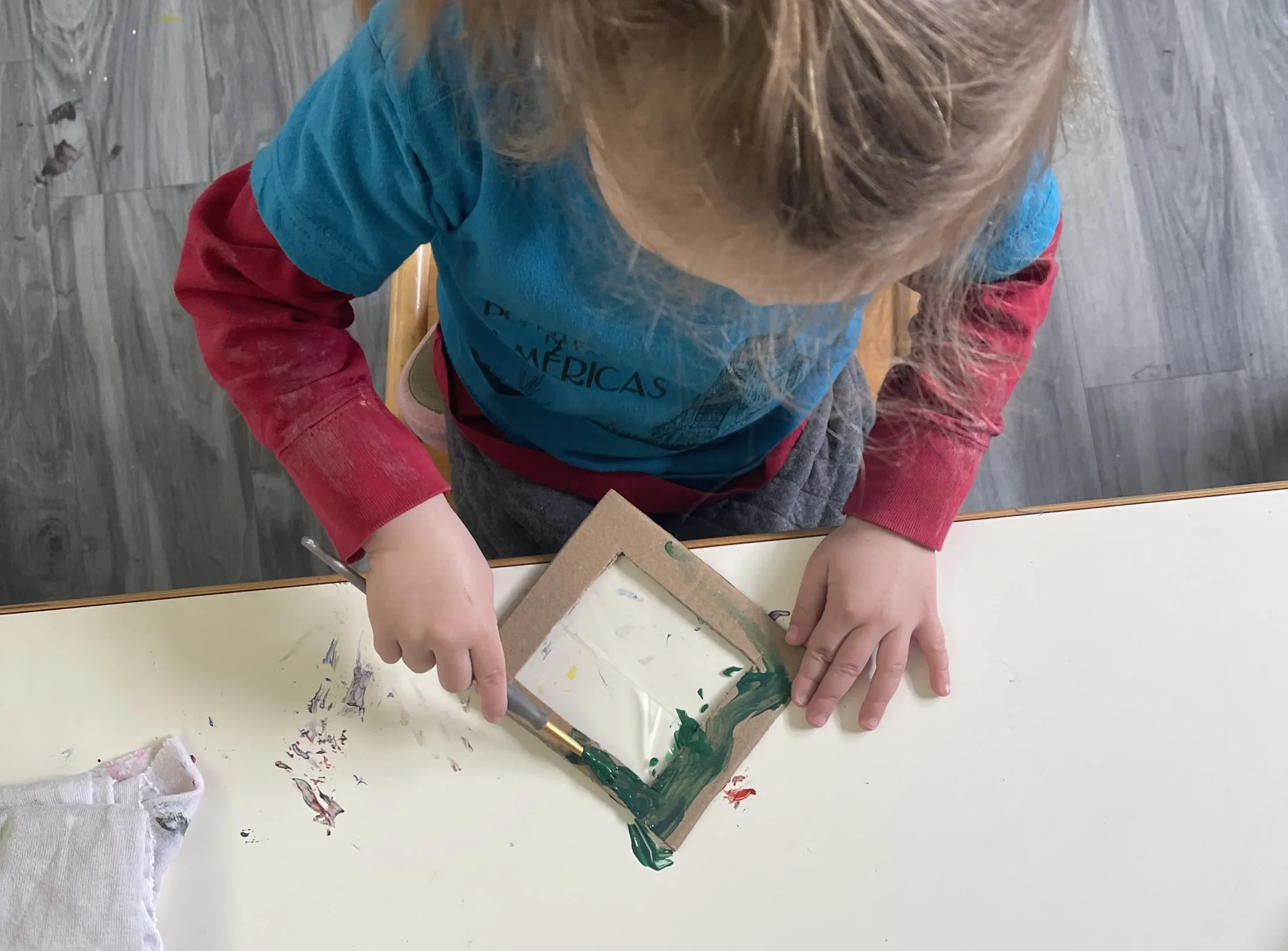
What we teach at Little Nestlings places strong emphasis on process over product. We care more about how a child mixes paint than whether the final painting looks like a specific object. We care more about the conversation between two children building a block tower than whether the tower stands perfectly straight. This philosophy celebrates experimentation, mistakes, and multiple attempts – because those are the moments when real learning happens.

Documentation as a Teaching Tool

Another key feature of our program is documentation. Teachers carefully observe children at work, take photographs, write down questions and theories, and display this documentation throughout the classroom. This practice does two important things. First, it shows children that their work matters – when they see their words and photos on the wall, they feel valued as thinkers. Second, documentation helps teachers plan the next steps. By looking closely at what children are wondering about, educators design new provocations (invitations to explore) that extend and deepen the learning experience.

Daily Routines and Life Skills

Daily routines build independence and community. Children help set the snack table, water the classroom plants, and participate in small cleaning tasks. These practical life activities are essential because they teach responsibility, fine motor skills, and the joy of contributing to a group. Literacy and numeracy are woven throughout the day rather than taught in isolated lessons. A teacher might notice a child writing their name on a drawing and use that moment to talk about letters. A child counting how many friends are at the snack table receives a natural math lesson.

Comparison to Traditional Preschools

When you compare our program to other preschool options in West Linn, you will notice that we move at the child’s pace rather than pushing academic skills too early. Research shows that young children learn best through play, hands-on investigation, and meaningful relationships. That is exactly what we provide every day.

Meeting Each Child Where They Are

We also recognize that every child develops differently. Our approach is flexible enough to meet each child where they are. Some children enter already recognizing letters. Others are still developing the fine motor skills to hold a crayon. Both are completely normal, and our method supports both with equal respect. Teachers differentiate activities so every child feels successful while also being gently challenged.

Kindergarten Readiness

Families often ask how we prepare children for kindergarten. The answer is that our program builds the most important kindergarten readiness skills – the ability to persist through challenges, to ask questions, to work in a group, to regulate emotions, and to feel excited about learning. Children who experience our educational approach enter kindergarten not just knowing a few letters and numbers, but truly loving to learn. That love of learning is the greatest gift we can offer.

Visit Us Today

We invite you to schedule a tour of Little Nestlings Early Learning Center to see our program in action. Watch children collaborating on a project, listen to teachers asking thoughtful questions, and notice how our classrooms are designed as the “third teacher.” Then you will understand why our approach is so special. Contact us today to learn more and to enroll your child in a place where curiosity leads the way.

.

home

Facebook


Little Nestlings Early Learning Center is a sanctuary of learning and growth. Here, the early years of childhood are celebrated with joy, curiosity, and deep respect for the natural learning process. 

Grounded in the Reggio Emilia approach, our preschool curriculum and programs are designed to foster a love of learning, critical thinking, and creativity among all our young learners.

Preschoolers: Cultivating Curiosity and Knowledge

(3-5 Years Old)

For our West Linn preschoolers ages 3–5, the world is full of questions, relationships, materials, and discoveries waiting to be explored. Our curriculum is designed to inspire deep investigations, creative expression, social-emotional growth, and a broader understanding of the world around them.
 
Through project-based learning, guided discovery, outdoor exploration, and meaningful relationships, children develop critical thinking, confidence, collaboration, communication, and a genuine love for learning.
Creative art supplies for The Children’s Atelier at Little Nestlings

Why Choose Little Nestlings?

Curriculum

Holistic Development

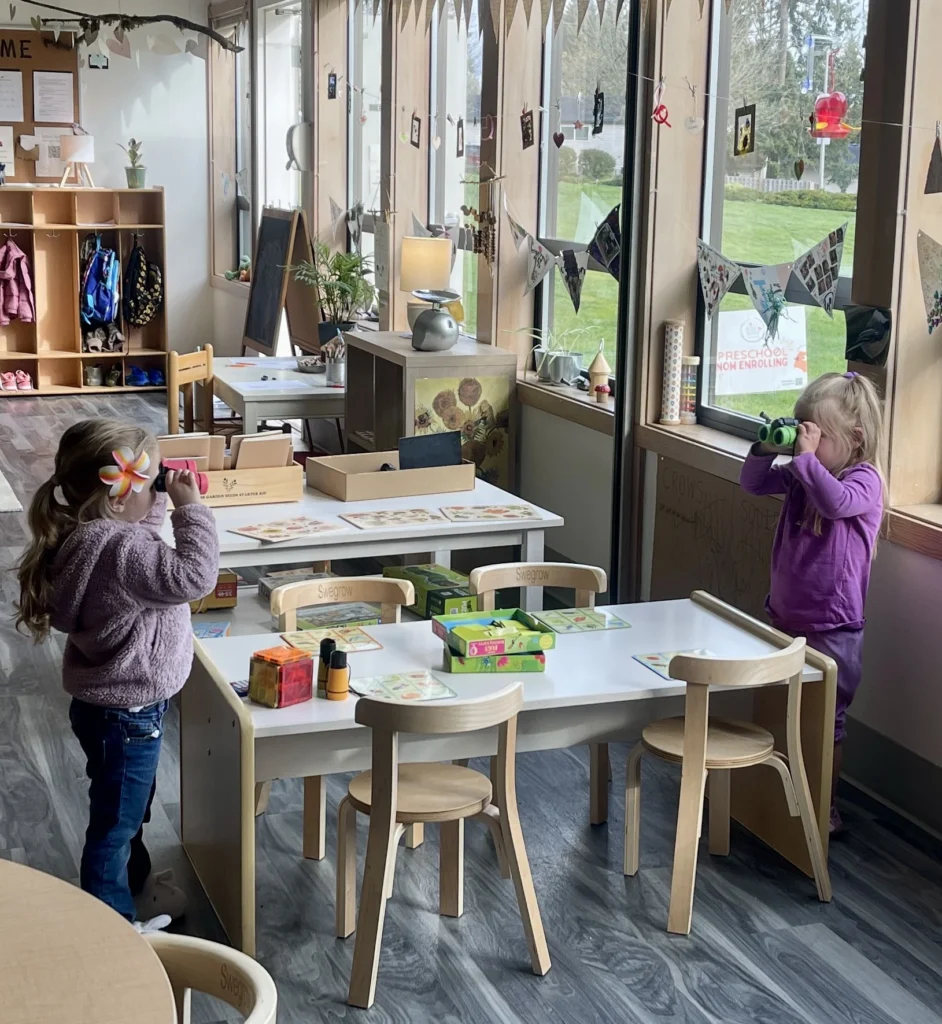
Our preschool program is carefully designed to support the whole child: cognitive, physical, verbal, emotional, and social development. Children build confidence, independence, communication, problem-solving skills, and relationships through daily hands-on exploration. Our classrooms and outdoor spaces in West Linn are designed to inspire curiosity and act as a third teacher.

Child-Led Learning

We follow the Reggio Emilia approach, respecting children as competent learners with interests and insights about the world. Our role is to facilitate and guide their learning journey in our West Linn preschool environment.

Storytelling materials for Once Upon a Studio summer camp

Kindergarten Readiness

We prepare children for kindergarten by supporting the skills that help them thrive in a group learning environment: listening, communication, patience, collaboration, age-appropriate motor development, problem-solving, confidence, and emotional regulation.

Community Connection

We believe in the strength of community and the powerful learning that occurs through relationships. Little Nestlings is not just a school but a family where children, parents, and educators come together in West Linn.

Your Child's Gateway to Creative Learning

Ready to choose a summer camp?

Explore the camp themes above, then complete registration through Little Nestlings. Families may choose one week or both weeks for most camp themes, with half-day and full-day options available.

Little Nestlings invites you and your child to a premier preschool in West Linn where education and creativity intertwine, offering endless possibilities for growth and exploration. Experience our commitment to fostering innovative thinking and inspiring young learners to reach for the stars.